
Last year my small town had the misfortune to have several water facility failures, which meant our tap water was unsafe to drink for days at a time.
If this ever happens to you keep reading below for your action plan.
But for everyone, small city or large, on municipal water or well water, should have an emergency water stash. Most people think about a water barrel in the garden but if you need to drink from it or transport water in an evacuation, I guarantee you’re not loading a 55-gal drum into your car.
I suggest picking up a gallon of distilled water (about $1/ea) at the grocery store the next 12 times you go. Or, double up and get 12 gallons in 6 trips.
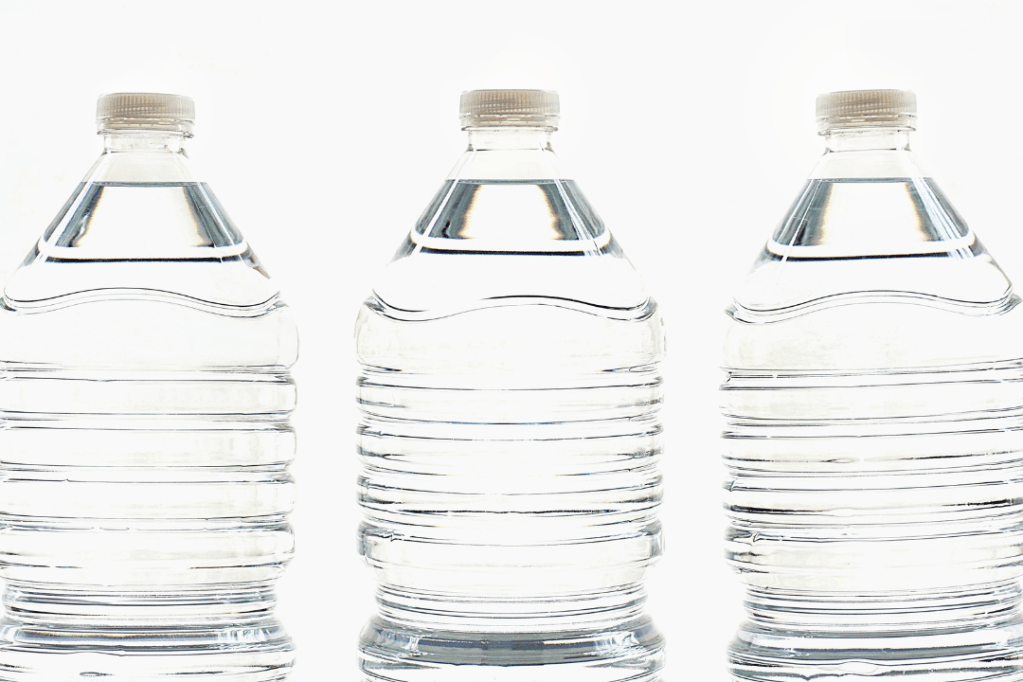
Note: most advice says bottled water has a 2 year shelf life so when buying your gallons write the month and date on the top. Then, when you’re getting close to expiration, use the water in house plants to avoid waste.
While $12 is not a huge outlay for emergency water, I spread out the purchases simply so I would not need to unload that many gallons from the car at once.
Having these gallons at the ready means you won’t have to spend hours boiling water in an emergency.
What if your water is unusable?
The first thing to do is to dump all the ice from your freezer because if you don’t know when the water damage occurred you don’t know when that water was used for ice.
The second step is to put some clean or bottled water in the bathroom for brushing your teeth.
Water is typically fine for bathing, unless you have open wounds or are told otherwise.
Add some of those hand sanitizers you have hoarded since COVID to each sink because you don’t want to wash your hands with water.
Next is dealing with dishes and cooking.
If you have dirty dishes in the sink or dishwasher, you’ll want to hand wash them.
If you’re like me and had been procrastinating on dishes this might be a mighty chore.
The advice is to rinse all dishes in boiled water with bleach. Using your largest pot, fill it up nearly to the top and while that boils on the stove, start cleaning the dishes. Use a scrubber and soap to clean each dish really well and then leave them covered in soap in the sink.
Once the water is done boiling, add the right amount of bleach (for the size of the pot) and move the pot into or near the sink.
Then, rinse each dish or utensil under the hot water to rinse and then drop into the pot of boiled water.
Advice says to let it soak for 1 minute.
I use a pair of tongs to pick the dishes out of the pot to avoid burning my hands and let them air dry.
Once you’ve finished all the dishes, I seriously recommend breaking out the paper plates and plastic utensils that have come with every takeout order.
For as long as the water ban is in place, you’ll want to minimize how much water you’re using around the home. If you need water to cook, break out those gallons of water.

 Every Little Step